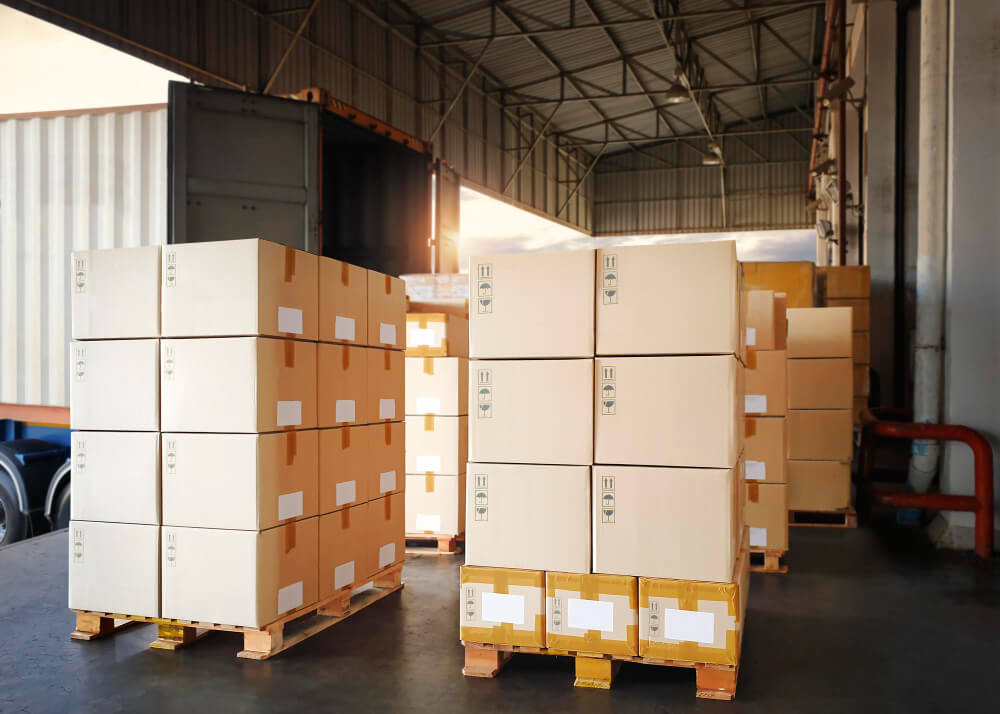
Understanding weight limits is crucial for safe and efficient trucking. Overloading a vehicle can lead to accidents, costly fines, and damage to both the truck and the roadway. Staying informed about legal limits helps drivers, owner-operators, and fleet managers operate responsibly.
Each state has specific regulations regarding gross vehicle weight, axle limits, and load distribution. It’s important to check both federal and local rules before starting a trip, as exceeding these limits can result in penalties or delays.
Proper load distribution is just as important as total weight. Balancing cargo evenly across axles ensures vehicle stability, improves braking performance, and reduces wear on tires and suspension. Using weight scales and measuring equipment can prevent unintentional overloading.
Regular inspection and documentation also play a key role. Keep accurate records of cargo weight, truck capacity, and permits if carrying overweight loads. Advanced tools like digital scales and telematics systems can make this process faster and more accurate.
Following these guidelines not only keeps trucks compliant with the law but also promotes road safety, protects cargo, and extends the lifespan of vehicles.
Each state has specific regulations regarding gross vehicle weight, axle limits, and load distribution. It’s important to check both federal and local rules before starting a trip, as exceeding these limits can result in penalties or delays.
Proper load distribution is just as important as total weight. Balancing cargo evenly across axles ensures vehicle stability, improves braking performance, and reduces wear on tires and suspension. Using weight scales and measuring equipment can prevent unintentional overloading.
Regular inspection and documentation also play a key role. Keep accurate records of cargo weight, truck capacity, and permits if carrying overweight loads. Advanced tools like digital scales and telematics systems can make this process faster and more accurate.
Following these guidelines not only keeps trucks compliant with the law but also promotes road safety, protects cargo, and extends the lifespan of vehicles.